
Itineraries Expand all
-
Day 1 : Incheon Arrival/Seoul
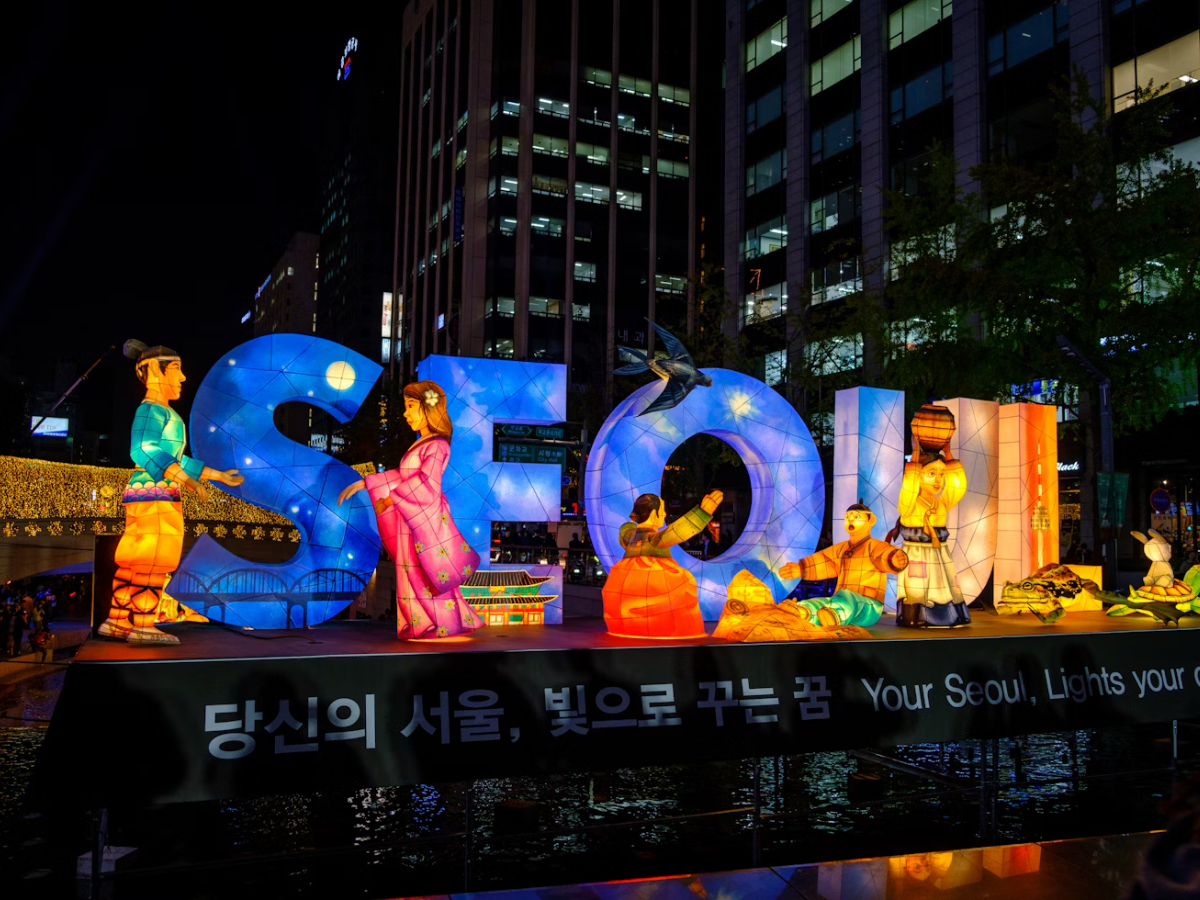
Arrival to Inchon Airport/ Transfer to Seoul by private coach.
Check in Seoul hotel.
No Guide Service.
Overnight in Seoul(Not Including Air-ticket.)
-
Day 2 : Seoul (Hotel Breakfast)

Gyeongbokgung Palace
Gyeongbokgung Palace, built in 1395, is the largest and most beautiful of the five palac-es. Despite being destroyed by fire during the Imjin War, all buildings were restored under King Gojong's leadership.
Traditional costume experience
OPTIONAL: Traditional costume experience – wearing hanbok in the palace From 20$/Pax
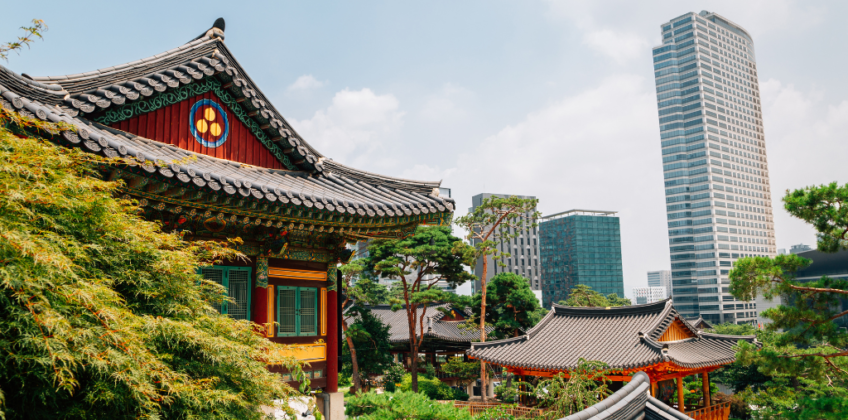
Bukchon Hanok Village
Bukchon Hanok Village, surrounded by Gyeongbokgung Palace, Changdeokgung Palace, and Jongmyo Shrine, is home to hundreds of traditional houses called hanok dating back to the Joseon dynasty. Today, these hanoks serve as cultural centers, guesthouses, restau-rants, and tea houses.
Insa-dong
This was where antiques and artworks were traded during the olden days of Korea. Today, it is a must-visit area among tourists for its variety of traditional souvenirs and Korean antiques. The small and cozy alleyways are lined with galleries as well as traditional tea houses, pubs and restaurants.
Ikseon-dong
Rather new “hot spot,” this neighborhood was made famous for the hanok (traditional Korean house)-style café street. Many hanoks were renovated and repurposed into unique cafés and restaurants. Due to its quaint and cozy atmosphere, Ikseon-dong is a popular date spot.
Over Night In Seoul
-
Day 3 : Seoul/Busan (Hotel Breakfast)
Hotel Checkout/Transfer to Busan by KTX No
Hotel Check In(Guide service in KTX Transfer)
Jagalchi Market
Is Korea's largest seafood market, selling both live and dried fish. Most of the people who sell fish are women, so the vendors here are called Jagalchi Ajumma, "ajumma" meaning middle-aged or married woman in Korean. This market represents Busan and is famous throughout the country. Visitors can eat fresh raw fish right at the market. Even nowadays visitors can see women selling mackerel, sea squirts (ascidians) and whale meat on wooden boxes along the road outside of the market and along the shore.
Gamcheon Culture Village
Is formed by houses built in staircase-fashion on the foothills of a coastal mountain, earning this village the nickname "Machu Picchu of Busan." Many alleys that cut through this community are vibrantly decorated with murals and sculptures created by the residents.
Oryukdo Skywalk
The old regional name for the area was Seungdumal, as the shape resembles a saddle, and it was originally called Seungduma as well as Jallokgae by residents and women divers. The construction of Oryukdo Skywalk finished on September 12, 2012 at the Seungdumal area, which is regarded as the dividing point between the East Sea and the South Sea, and started operating on October 18, 2013, with the theme of "Walking over the sky.”
Gukje Market
Following the Korean War, refugees who fled to Busan set up stalls in order to make a living by selling smuggled or imported products, which developed into Gukje Market (gukje meaning "international" in Korean) of today. Gukje Market is one of Korea’s largest markets. The market's alleyways are lined with stalls selling diverse goods, particularly machinery tools, kitchenware, and clothing. To the market's right is an alleyway lined with charity stores, and to the left is Kkangtong Market.
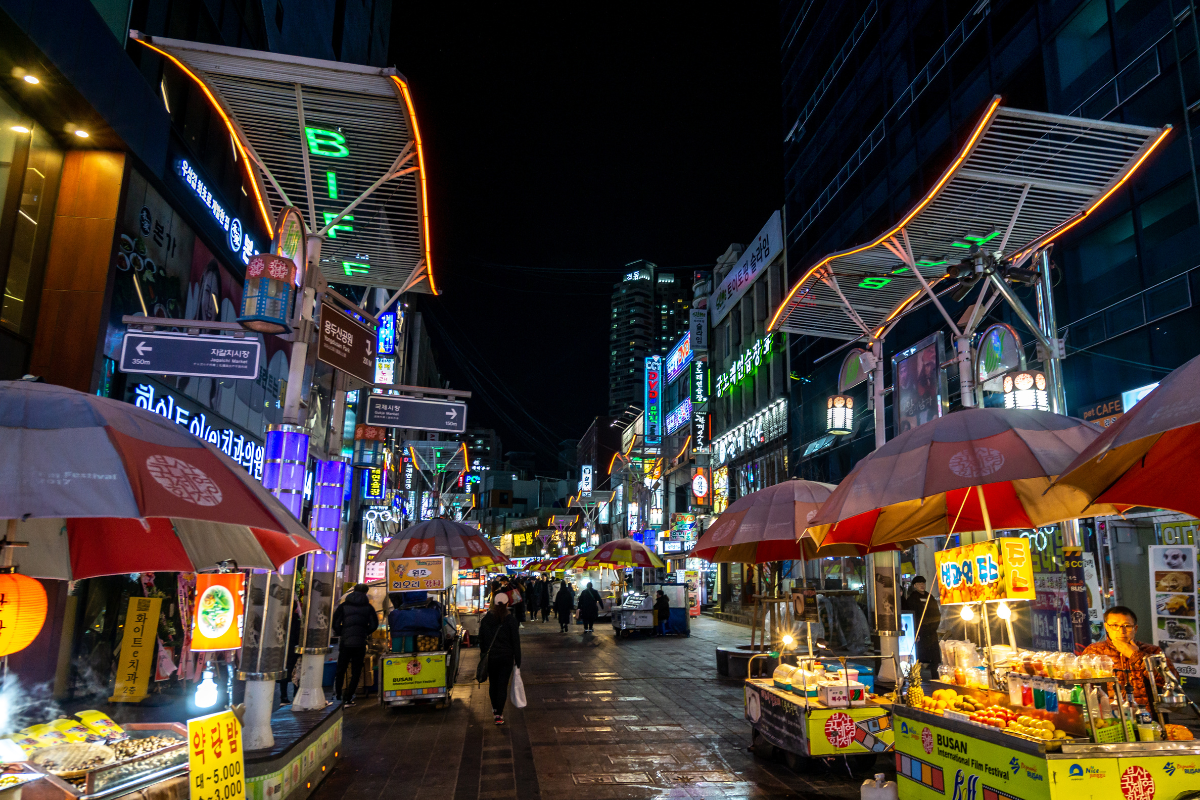
BIFF Square & Street
Busan’s modern movie district was originally little more than a pair of cinemas that were built following Korea’s liberation from Japanese colonial rule over half a century ago. However, major renovations took place ahead of the first Busan International Film Festival (BIFF), and the newly transformed district was named BIFF Square on August 14, 1996.
Overnight In Busan
-
Day 4 : Busan (Hotel Breakfast)

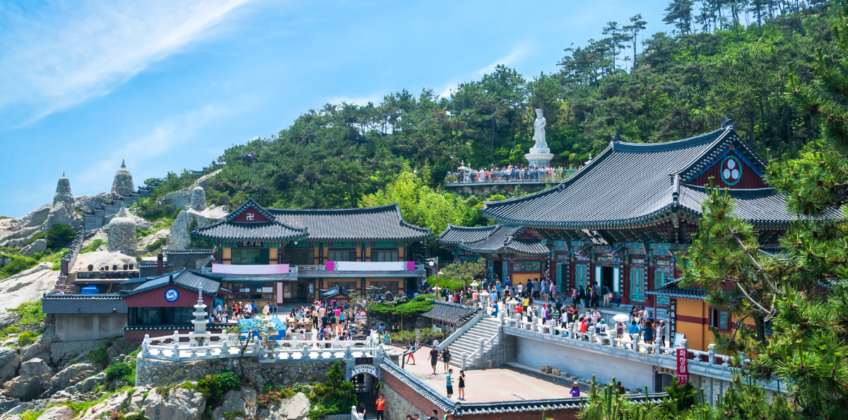
Haedong Yonggungsa Temple
Haedong Yonggungsa Temple, located on the north-eastern coast of Busan, is a unique shoreline temple in Korea. Built in 1376 by Naong, it features 108 stairs and stone lanterns, offering stunning views of the rocky landscape and the serene waves.
Gwangan Bridge
Stretches over 7.4km from Namcheon-dong (Suyeong-gu, Busan) to Centum City (U-dong, Haeundae-gu). It is the longest bi-level bridge over the ocean in Korea. In addition to providing a quick way to get around, the bridge offers breathtaking views of nearby attractions, including the endlessly unfolding ocean, Oryukdo Island, Hwangnyeongsan Mountain, Gwangalli Beach, Dongbaekseom Island, and Dalmaji Hill. Equipped with thousands of LED lights, the bridge showcases a beautiful lighting exhibition at night that changes with the seasons.
Haeundae Beach
Is the most famous beach in Busan? The white sand beach is roughly 1.5 k m long, over a 30-50 m wide area, creating a beautiful coastline before a shallow bay, making Haeundae Beach perfect for swimming. Haeundae Beach is also famous for various cultural events and festivals held throughout the year. Other facilities in the area include Dongbaek Island, Busan Aquarium, a yachting dock, BEXCO, driving courses and more.
jeonpo cafe street
The street is located about a 10 minute walk from Seomyeon Metro station and you could spend at least 30 minutes here and even longer if you find a cafe you enjoy. The street has a variety of cafe for one's taste, and it's within walking distance from a subway station.
Overnight In Busan
-
Day 5 : Busan/Seoul (Hotel Breakfast)

Hotel Checkout/Transfer to Seoul by KTX No
Hotel Check In(Guide service in KTX Transfer)
Namsan Cable Car
Namsan Cable Car provides a panoramic view of downtown Seoul. The cable car has been in operation for over 40 years, taking tourists and residents alike to Namsan Seoul Tower, one of the most representative tourist attractions in the city.
Dongdaemun Dakhanmari Alley
Dakhanmari, which literally means “whole chicken,” is made by boiling a whole chicken with scallions, potatoes, rice cakes, and various other ingredients. Each restaurant uses its own special broth and dipping sauce. The chicken, which is usually pre-boiled to remove excess fat, is cooked right at the table, and you can add noodles at the end for a hearty noodle soup. The dipping sauce is usually made by mixing spicy red paste, vinegar, soy sauce, Korean mustard, and crushed garlic. If you like spicy food, you can add hot chili peppers or kimchi when boiling.
Myeong-dong
Myeong-dong is a major shopping district in Seoul, featuring numerous brand name shops, department stores, and designer brands. It offers clothing, shoes, and accessories, as well as family restaurants, fast food, Korean, Western, and Japanese dining options. The district also features hair salons, banks, and theaters, offering affordable fashion goods at reasonable prices.
Overnight In Seoul
-
Day 6 : Seoul (Hotel Breakfast)
Hotel Check-Out / Transfer to ICN Airport
No Guide Service
Departure(Not Including Air-ticket.)
Availability
TZ-1341
- Rich, memorable adventures.
- Travel plans tailored to your preferences.
- Authentic experiences guided by in-depth knowledge.